
In Parashat Vayelech, we witness Moses in his final hours of leadership, preparing to ascend Mount Nebo and transition from this world. At 120-years-old, our greatest teacher delivers his last lessons to the Jewish people, knowing these words must sustain them through the generations ahead. His final teachings carry the weight of a lifetime's wisdom, distilled into moments of profound clarity.
The Mishnah in Pirke Avot (The Ethics of our Fathers, 2:10) records Rabbi Eliezer's profound teaching, "Repent one day before your death." His students, puzzled, asked how one could know when that day would arrive. Rabbi Eliezer replied with brilliant simplicity, "Therefore, repent today, for perhaps you will die tomorrow." In essence, live each day as if it were your last.
During these Ten Days of Repentance (Aseret Yomai Teshuvah) between Rosh Hashanah and Yom Kippur, we find ourselves in Moses' footsteps, seeking forgiveness from those we may have wronged throughout the year. Like Moses preparing his final words, we too must examine what legacy we wish to leave behind.
Our sages shared the parable of the wealthy merchant who spent his days accumulating wealth, neglecting family and friends. On his deathbed, he frantically tried to repair relationships and express love, but time had run out. His neighbor, a humble baker, lived differently, greeting each dawn with gratitude, offering bread to the hungry, and ending each day with words of appreciation to loved ones. When death came to the baker, he was ready, surrounded by those whose lives he had touched.
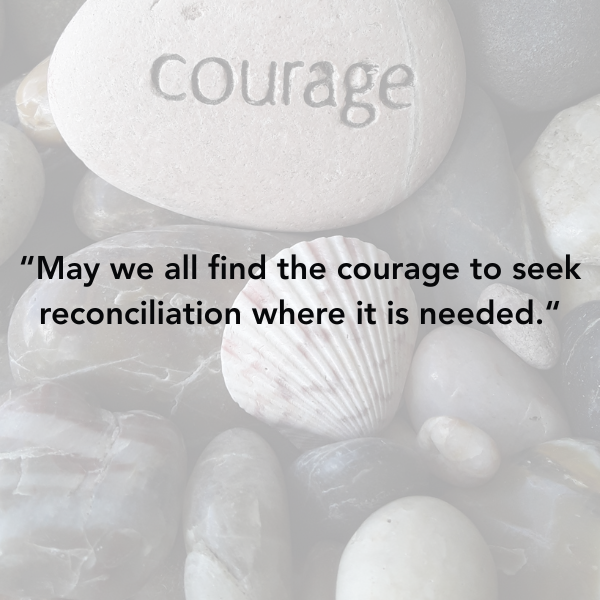
In this season of teshuvah (repentance), I humbly ask forgiveness from this community and anyone whom I may have wronged through word or deed, intention or neglect. May we all find the courage to seek reconciliation where it is needed.
Yet in the words of the infamous midnight commercials, “but wait there’s more.” The second critical lesson in this week’s Torah portion is in Moses' final charge to Joshua containing a seeming redundancy that offers profound insight, "hazak ve'ematz" ("be strong and resolute," 31:23). Why both terms? True strength lies in being authentic to our inner voice, while resolve means pushing against social pressures that would compromise our values. Together, they call us to live according to our deepest convictions, free from the burdens of others' expectations.
If we truly lived each day as our last, would we make the same choices? Would we prioritize differently? By what values, ethics, and morals would we want to be remembered? Moses teaches us that our legacy isn't measured in years but in the authenticity with which we live each moment.
As we prepare for Yom Kippur, may we embrace both hazak and ematz, finding strength in our convictions and resolve in our commitment to live the life our souls truly desire, creating a legacy worthy of remembrance. Because we are Stronger Together!
|
|

|